I build operating systems—for businesses and for people.
Operations (sales and systems that work), capital & risk (where cash goes, what could break), and business continuity (life insurance and agreements when owners or partners are involved). When it’s the right fit, I also take a small equity stake and work inside the company.
OpsPal is the technical execution arm—apps, RevOps, AI, and infrastructure. ops-pal.com
We start with a short call so you leave with a clear next step—not a fog of options.
Find My Biggest Leak20-minute call. We'll identify the biggest system, sales, CRM, or follow-up leak and point you to the right next step.
Three generations. One throughline.
My grandfather was a WWII frogman who came home and helped families rebuild with sensible coverage. My father spent his career at Metropolitan Life. I grew up hearing what policies did for families when the worst happened.
I didn’t plan to sell insurance. I cared when I met a business owner—sole operator, no backup—who would have been wiped out by one bad day. I treat this as protecting people and businesses, not pushing products.
What I actually do
- Partnership: I join as a minority owner and help run the business with you—usually companies already doing about $2M–$15M in revenue. Partnership →
- Business Operations: Find the gaps across process, people, tools, data, and revenue so the business can grow without everything running through the owner. Business Operations →
- Capital & risk: Map where money should go, where you’re exposed, and what to insure (or self-insure)—then a practical plan to put it in place. Capital & risk →
- Business continuity: Life insurance, buy-sell, key-person coverage, and timelines—coordinated with attorneys and CPAs when documents matter. Business continuity →
Who I work best with
- Founder-led or owner-led businesses, often roughly $2M–$15M in revenue and cash-flow positive.
- Teams where sales, CRM, or handoffs are messy—or nobody has written down “what happens if” for owners or partners.
- People who want straight answers and a plan: what to fix first, what can wait, and what “good” looks like.
Not a good fit
Not the right call if:
- you’re pre-revenue,
- you want a vendor not a partner,
- you’re not open to equity, or
- you’re looking for a quick fix.
How we work
Most owners don’t need another opinion—they need clarity: what actually matters, what to fix first, and what to stop worrying about. We look at cash, people, insurance gaps, and time, then line up steps in a sensible order so you’re not guessing under stress.
- Start with context. A short call (Strategy Triage) is enough to see which lane fits—operations, capital, continuity, or partnership—before anything paid or heavy.
- Figure out what’s real. If we go deeper, we document how things work today and turn that into priorities you can act on—not a deck that sits in a folder.
- Build with specialists when needed. I stay close on design and accountability; implementation (CRM work, carriers, attorneys) goes to people who fit your situation.
How I think about risk
- We list what could hurt the business or your family, then decide what you’ll self-insure (keep the risk) vs transfer (buy insurance).
- Insurance is a tool—not a personality test. We use it where the math and the outcome actually make sense.
- I own the plan; carriers and specialists handle what they’re licensed for when we need them.
Bio
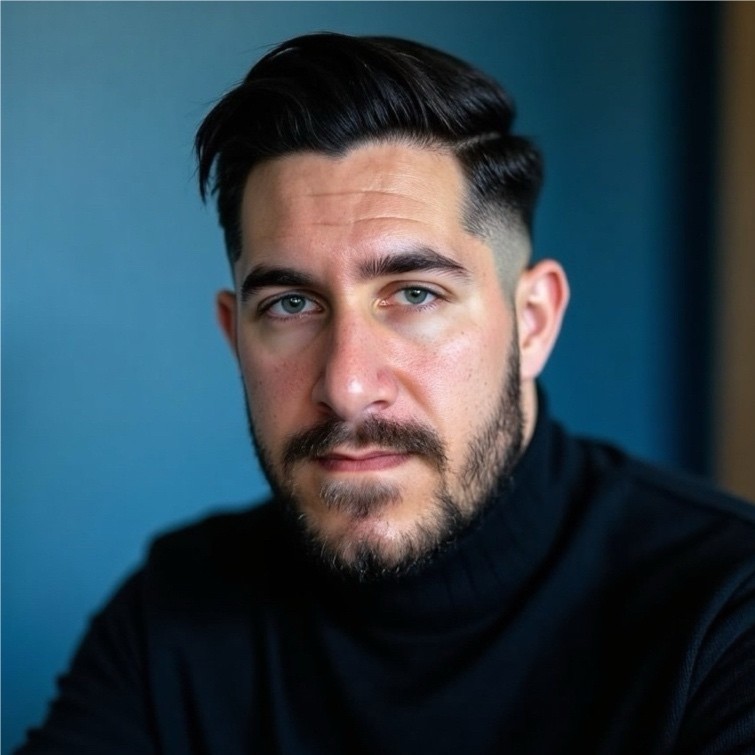
I build operating systems—for businesses and for people. Three active entities: Daniel Speiss Consulting for ops, capital, and continuity. OpsPal for technical builds and fractional operations. Kinaura for relationship science and co-regulation.
Currently Building
Kinaura
Relationship app for co-regulation, compatibility, and communication patterns—built for real couples.
Visit kinaura.app →BH Capital
Business funding systems, underwriting flow, and speed-to-lead infrastructure.
Visit bhcapitalfunding.com →OpsPal
The execution arm—apps, backend infrastructure, RevOps, AI integration, and website-to-marketing-gateway builds.
Visit ops-pal.com →Kinaura
Kinaura is where the relationship work shows up—compatibility, co-regulation, and communication patterns you can use in real life.
If you want the product path, join the waitlist. If you want a human conversation first, Strategy Triage is the fastest way to get pointed in the right direction.
How I work with clients
- You’re not hiring “someone to click around in Salesforce.” You’re getting an operator who cares how sales, data, and people actually work together.
- Measure what matters—fewer vanity metrics, more clarity on what’s broken.
- Build things that ship: I’d rather a simple system people use than a perfect one nobody adopts.
- I’ll tell you early if we’re misaligned on goals or scope—so we don’t waste each other’s time.
Metrics I help teams get honest about
Examples: how fast you respond to leads; how deals move (or stall) by stage; win rates; time to close; what reps and managers actually do each week; why deals are lost; which marketing or lender sources pay off; and simple rules for when a deal is “ready” for the next step—with alerts when data is missing or stages are skipped.
Technologies & projects
See Activity for technologies and projects I'm building with.
Locations
Miami
Home base
Austin
Regular visits
New York
Frequent travel
Based between these three cities, but working with founders worldwide.
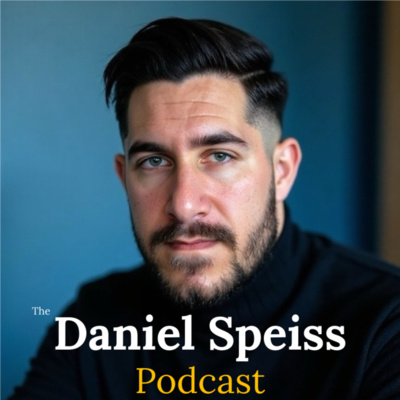
Podcasts

Licenses & Certifications
Insurance Broker
New York State Department of Financial Services. Active (Aug 2024 – Aug 2026).
Life Insurance License
New York State Department of Financial Services. Active (Aug 2024 – Apr 2026).
Selected certifications
Google Analytics IQ, Campaign Manager, Display & Video 360, Search Ads 360, Google My Business. LinkedIn Learning: Sales Foundations, Closing Strategies, Pipeline Management, Leadership & Management. 7 Cups Active Listening Level 6.
Want a fast recommendation? Start with a 20-minute Strategy Triage.
Find My Biggest Leak